
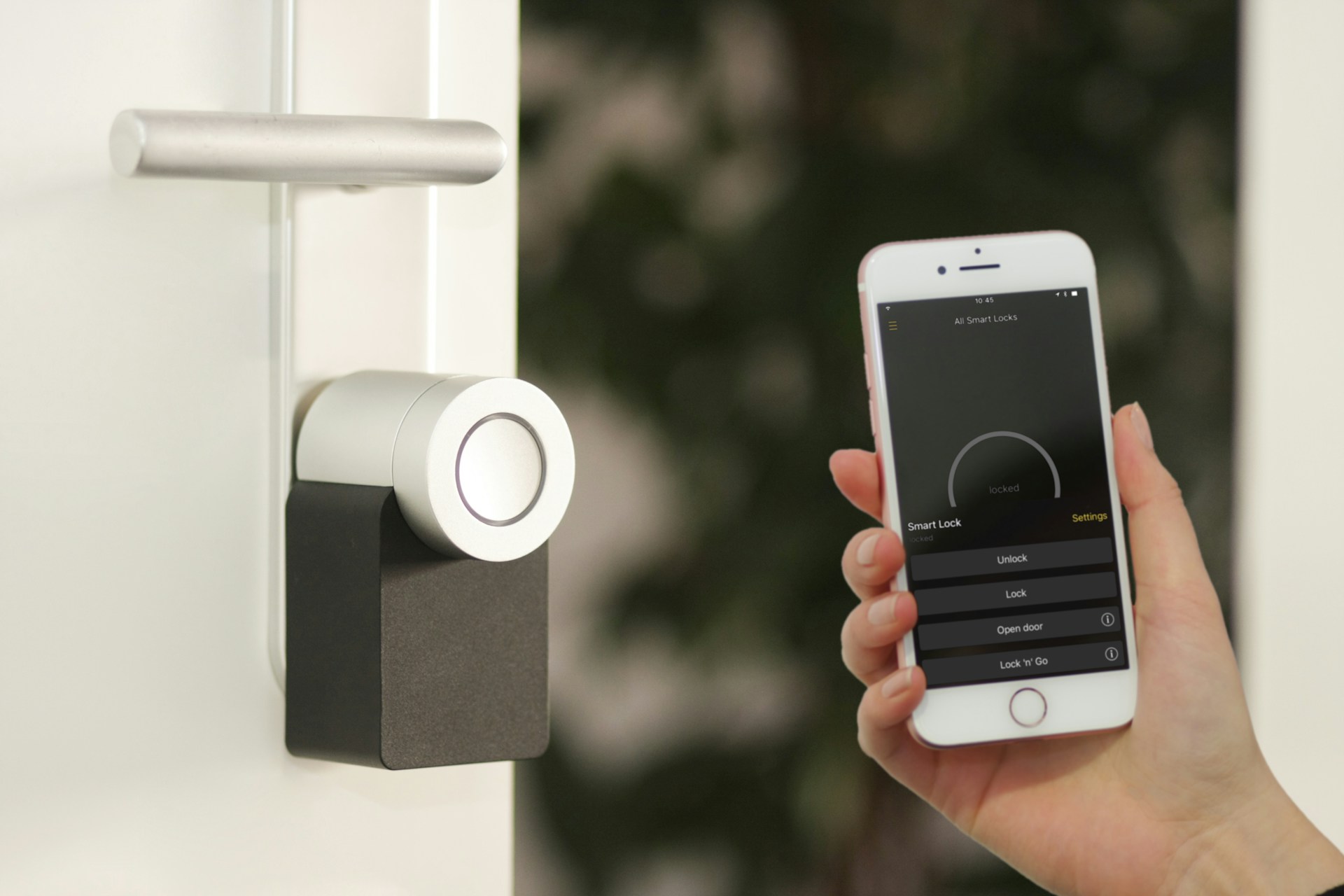
Smart homes rely on connected technology to automate everyday tasks and improve convenience. Aether Smart Home integrates devices like smart lights, security cameras, thermostats, speakers, sensors, and smart locks, all of which communicate through wireless networks to function properly. While many homeowners focus on selecting the latest devices, wireless coverage often receives less attention during the planning stage. A reliable wireless network forms the foundation of every successful smart home system. Without consistent connectivity, even advanced devices may fail to perform as expected. Understanding why wireless coverage is a core element of smart home planning helps homeowners build systems that remain dependable as technology continues to evolve.
Establishing Reliable Device Connections
Every smart home device depends on a stable wireless connection to communicate with other devices and central control systems. Reliable coverage allows these devices to exchange information without interruption. When wireless signals remain strong, devices respond more quickly to commands. Automation routines also operate more consistently because communication delays are minimized. Weak signals, however, may cause devices to disconnect or respond unpredictably. This affects the overall performance of the smart home. Planning wireless coverage from the beginning helps establish dependable communication throughout the property.
Supporting Expanding Smart Home Networks
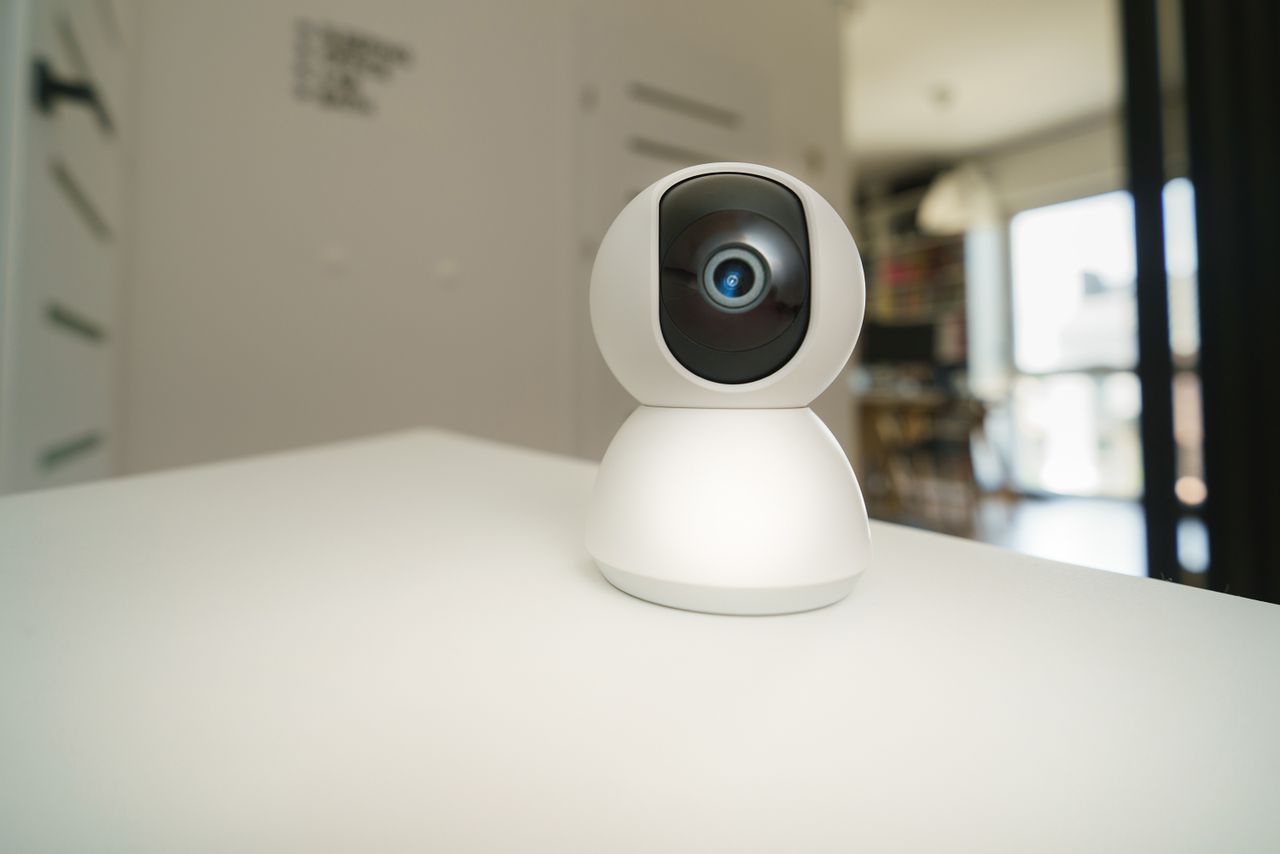
Many homeowners begin with only a few connected devices before gradually adding more over time. As smart home systems expand, network demands increase. Each additional device places greater demands on the wireless network. Smart cameras, streaming devices, environmental sensors, and connected appliances all compete for bandwidth. Without adequate coverage, performance may decline as more devices join the network. A well-planned wireless environment supports future expansion without requiring major changes later. Preparing for growth allows homeowners to integrate new technology more smoothly.
Reducing Dead Zones Throughout the Home
Wireless dead zones remain one of the most common challenges in residential networking. Certain areas receive weak or inconsistent signals due to building materials, distance, or structural design. Walls, floors, concrete surfaces, and metal objects may reduce signal strength. Rooms located farther from the primary router often experience weaker connectivity. Smart devices installed in these locations may disconnect more frequently. Careful wireless planning identifies these problem areas before installation begins. Additional access points or mesh networking systems can improve signal distribution throughout the home, reducing connectivity issues.
Strengthening Smart Home Security
Many smart home security features depend entirely on wireless communication. Cameras, alarms, video doorbells, and smart locks must remain connected to operate effectively. Reliable wireless coverage allows security devices to transmit alerts immediately when important events occur. Video recordings upload more consistently, while remote monitoring remains available from mobile devices. Weak connectivity may delay notifications or interrupt video streams. Proper wireless planning reduces these risks by providing stronger and more consistent network performance. A stable connection supports greater confidence in the home’s security infrastructure.
Improving Automation Performance
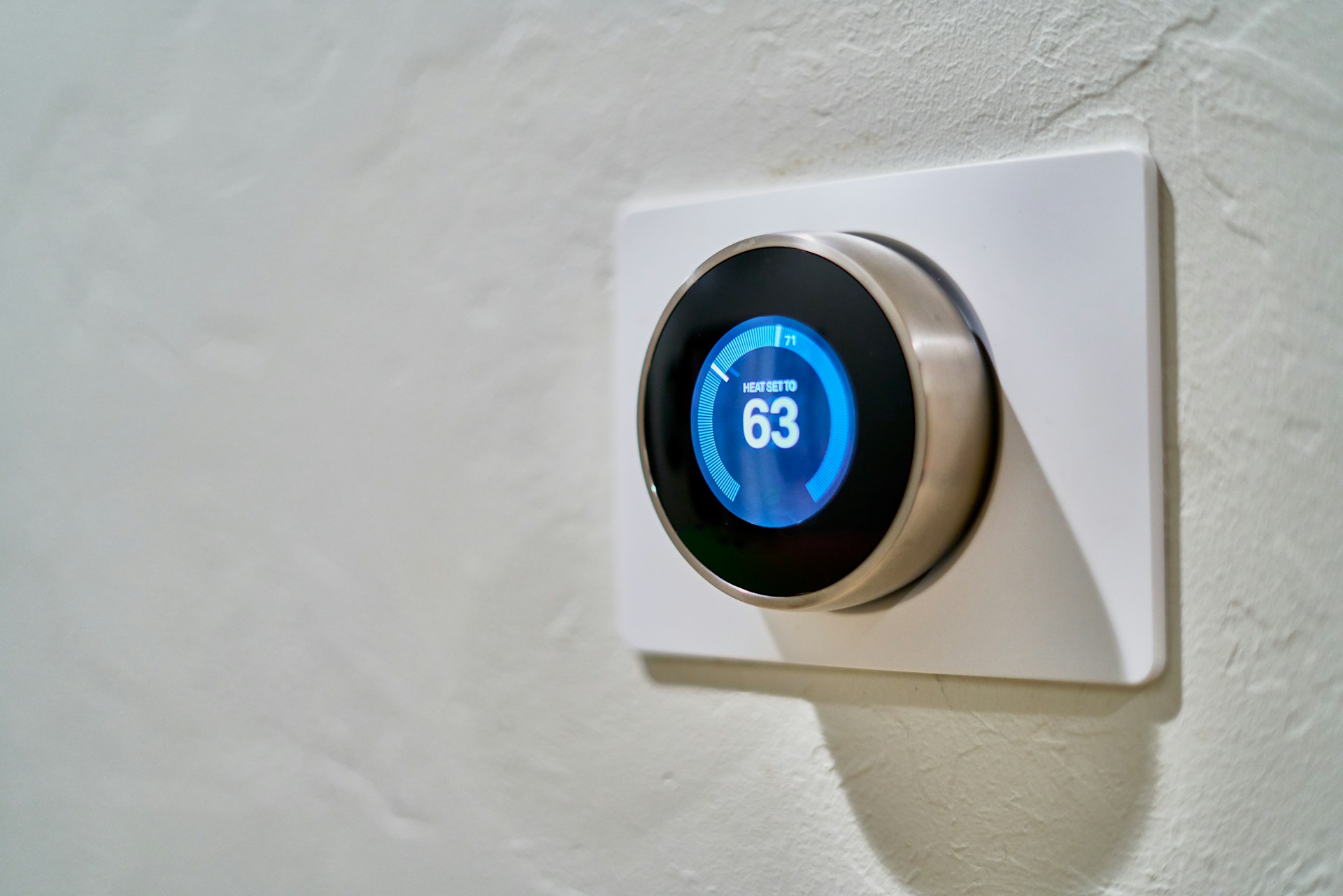
Automation is one of the defining features of smart home technology. Devices often work together to perform scheduled or event-based tasks automatically. Motion sensors may activate lighting systems. Security cameras can trigger notifications when activity is detected. Smart thermostats adjust indoor temperatures based on occupancy. These automated actions depend on continuous communication between connected devices. Strong wireless coverage supports faster data transmission and more reliable coordination. Stable connections help automation routines operate smoothly without unnecessary interruptions or delays.
Preparing for Future Technology
Smart home technology continues to evolve rapidly. New devices introduce additional features that often require higher network performance. Future innovations may include more advanced artificial intelligence, environmental monitoring, and connected appliances. These technologies will likely increase network traffic even further. Planning wireless coverage with future growth in mind creates greater flexibility for upgrades. Instead of replacing an inadequate network later, homeowners can build a stronger foundation from the beginning. Long-term planning supports better technology adoption as new devices become available.
Wireless coverage is much more than a convenience in modern smart homes. It provides the communication foundation that allows connected devices to function reliably. Stable coverage supports stronger device connections, smoother automation, improved security, reduced dead zones, and easier future expansion. Without proper planning, even high-quality smart devices may struggle to deliver consistent performance. Understanding why wireless coverage is a core element of smart home planning highlights the importance of investing in a reliable network before expanding a connected home ecosystem. A strong wireless foundation helps homeowners enjoy dependable performance today while preparing for tomorrow’s evolving smart home technologies.